

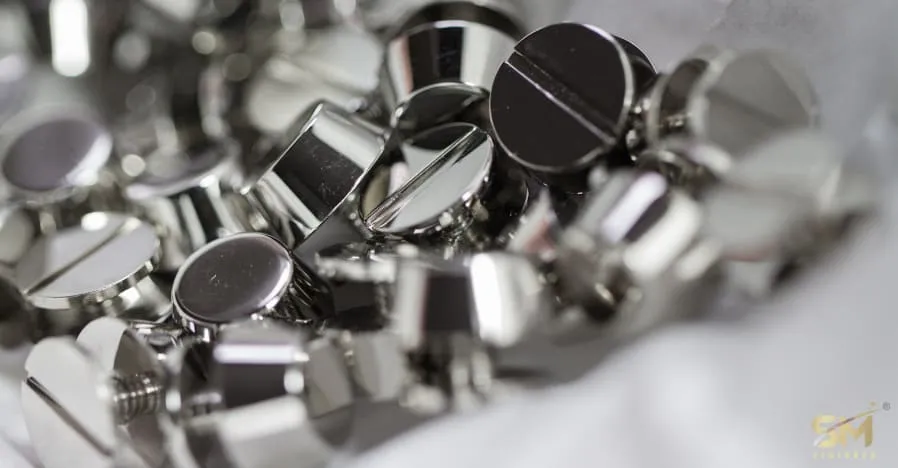
Silver plating for hybrid connectors
SM Finishes plates silver on hybrid connector power contacts, terminals and related hardware to ASTM B700 / MIL QQ S365 when those callouts appear on the drawing. Work runs from Machohalli, Bengaluru under ISO 9001:2015, AS9100:2015 and ZED Bronze. Founded October 2019; founder William Anthony Raj J, 27 years in surface engineering.
Silver is specified when electrical and thermal conductivity matter more than gold’s long-term tarnish immunity — EV power pins, aerospace bus contacts, rail and industrial power connectors. Thickness, anti-tarnish and whether silver is final or an undercoat come from your print. Lead time is quoted per lot after we see geometry, base metal and whether first-article or PPAP is required.
Why Our Silver Plating Stands Out
Our premium silver plating service combines advanced electroplating technology with strict quality control and skilled craftsmanship. Every component is produced to meet international standards for performance and appearance.
- Exceptional Conductivity
- Long Lasting Durability
- Custom Thickness & Finish
- Advanced Surface
- Corrosion and Tarnish Resistance
- Premium Quality Standards
Our silver plating service is designed for industries that demand both performance and presentation. By combining advanced electroplating technology with meticulous quality checks, we deliver coatings that enhance electrical performance, protect against wear, and add a premium visual finish to every component. Whether for critical aerospace connectors or luxury decorative pieces, our silver plating offers reliability you can trust and beauty that lasts.
Precision & Craftsmanship
Each silver plated part we deliver reflects our dedication to perfection. Our plating specialists carefully prepare, plate, and inspect every component to ensure an even finish, outstanding conductivity, and exceptional aesthetic quality.
Applications
Our silver plating services serve diverse industries, providing both technical performance and visual appeal. Whether you need high conductivity, long-term corrosion resistance, or a refined decorative finish.
Silver plating process
After cleaning and activation we deposit silver on copper, brass, nickel-prepared steel and other agreed substrates. A nickel barrier is common when the print wants diffusion control or a brighter, more wear-resistant stack. Anti-tarnish treatments can follow plate so parts stay solderable and bright through humid export packing to Japan, Taiwan and South Asia.
Thickness is held to drawing and checked on Fischer XRF. We do not publish a single “standard silver thickness” because OEMs specify it; typical connector silver sits in the ASTM B700 / QQ-S-365 family of requirements. Send the callout with the RFQ so we confirm tank capability and inspection method before samples.
Applications in EV, aerospace and power connectors
EV and hybrid power contacts use silver because it carries high current with lower I²R heating than tin and lower metal cost than thick gold. Aerospace and rail power connectors specify silver on bus-style terminals and high-current pins. Signal contacts on the same hybrid housing often stay gold — we sequence silver and gold so the two baths do not contaminate each other.
If parts will be over-moulded or soldered, say so on the RFQ. Over-mould heat and flux chemistry affect anti-tarnish choice. Automotive programmes can add PPAP (Suzuki, Maruti, Schneider, Kostal audit experience is documented on our case-studies page). OEM programmes include SpaceX and Israel Defence.
Barrel vs rack silver plating — which do you need?
Barrel silver is efficient for bulk small terminals when the print allows tumbling and a wider thickness window. Rack silver fixtures each contact so functional faces, edges and holes stay in spec — usual for hybrid connector power pins and aerospace hardware. Mixed assemblies (gold signal + silver power) are racked and masked as one flow.
Related: gold plating for signal contacts, reel-to-reel spot gold for strip, nickel as undercoat. Comparison: gold vs silver plating for connectors. Japan and Taiwan export lots should include current rating, mating cycles and packing humidity assumptions with the first drawing pack.
Questions? You’re covered
We’ve gathered answers to the most common questions to help you understand our services, processes, and quality standards with ease.


